
Nutrition, Blood Work & Proactive Health: Looking at the Bigger Picture

Nutrition and Blood Work Can Support a Wide Range of Health Goals
There isn’t one single reason someone seeks nutrition guidance.
Some people want to manage their weight or improve their overall eating habits. Others may be interested in better understanding cholesterol, blood sugar, thyroid markers, hormone levels, inflammation, or other findings from recent blood work.
The common thread is usually the same: they want a clearer picture of their health and practical steps they can take to support it.

Rather than relying on a one-size-fits-all nutrition plan, we look at the individual — including their goals, lifestyle, health history, and available laboratory information. That way, we have a more complete starting point for developing personalized nutrition and lifestyle recommendations.
Blood Work Adds Objective Information to the Nutrition Conversation
Nutrition became an important part of our approach because food and lifestyle habits play a meaningful role in overall health. But recommendations become even more useful when there is objective information to consider alongside what someone is experiencing. That’s where blood work comes in.

After completing chiropractic training, additional graduate education in nutrition, and training in Functional Blood Chemistry Analysis, Dr. Matt, our nutrition-focused chiropractor, began incorporating laboratory data into his consultations.
Tools such as Optimal DX can help organize lab results and identify patterns or markers worth discussing in greater detail.
The goal isn’t simply to look at individual numbers on a page. It’s to combine those numbers with the client’s history, symptoms, lifestyle, and goals to create a more individualized plan.
The Process Starts With Understanding the Whole Picture
A nutrition and blood work consultation typically begins before the first appointment:
Clients complete a detailed intake form describing their health history, current concerns, lifestyle, and goals.
If recent lab results are available, those can provide a useful baseline. (Depending on the individual and what they hope to better understand, additional laboratory testing may also be recommended.)
Once the available information has been reviewed, the next step is typically a longer consultation.
During that visit, we walk through the results, explain the reasoning behind any nutrition or lifestyle recommendations, and discuss realistic expectations and timelines.
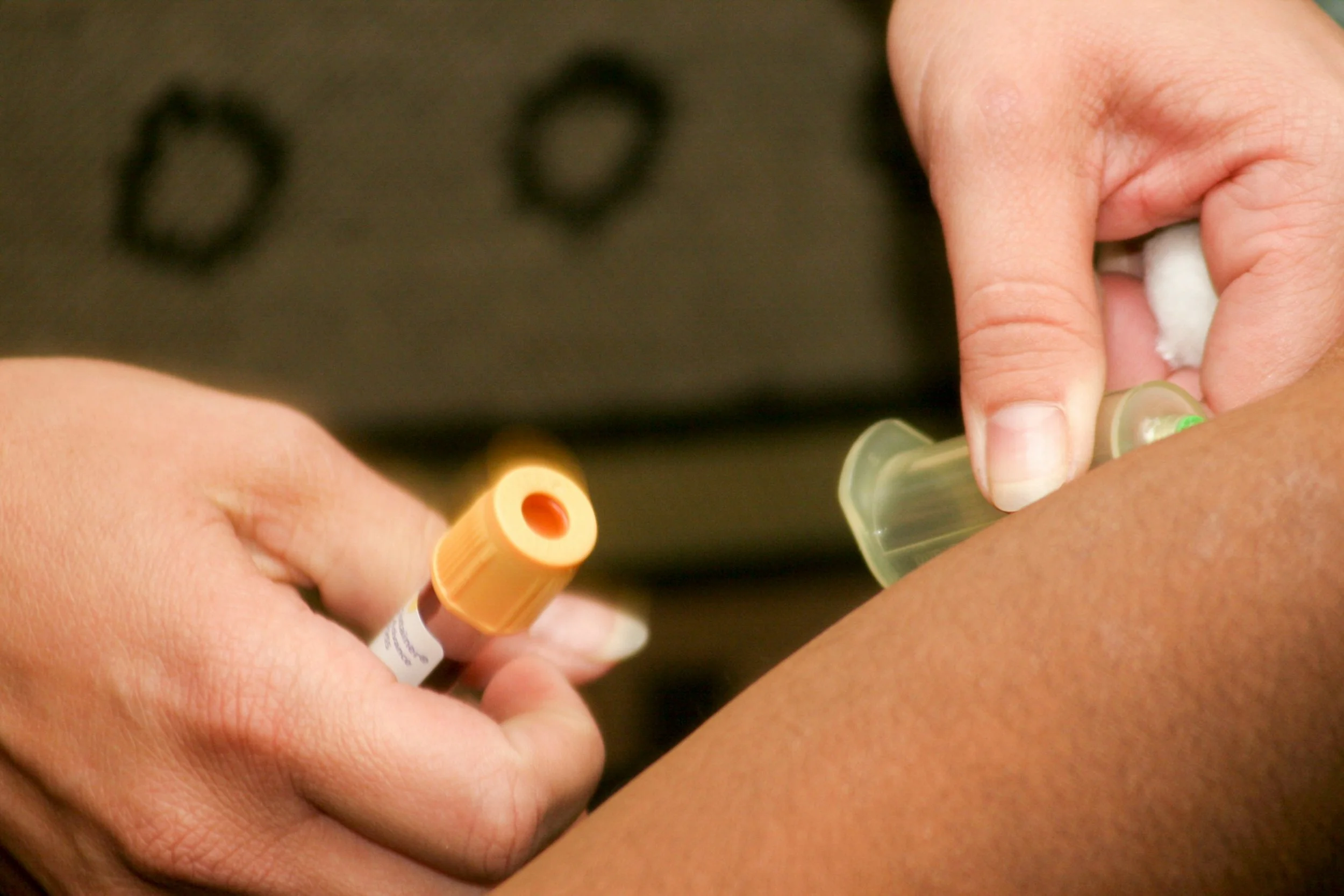
After clients have had time to implement those changes, a follow-up — often within one to three months — allows us to reassess progress and determine whether anything should be adjusted.
The goal is an ongoing process based on information, education, and what is realistically sustainable for that individual.
Don’t Wait for a Major Problem to Start Paying Attention
Many people don’t think much about lab testing until a result is significantly abnormal or they are already dealing with a health concern. But blood work can also be useful as part of a broader conversation about preventative health.
Laboratory reference ranges are important tools, but individual values are only one part of the picture. Changes over time, patterns among multiple markers, symptoms, family history, lifestyle, and other health information can provide additional context.

For someone who feels that something isn’t quite right, taking a closer look at those pieces may help identify areas worth discussing with their healthcare providers and opportunities for nutrition or lifestyle changes.
A proactive approach doesn’t mean trying to predict every future health problem. It means paying attention to your health now, understanding the information available to you, and making sustainable choices that support your long-term wellbeing.
One of the Most Valuable Health Habits Is Also One of the Simplest: Consistent Sleep
Nutrition often gets most of the attention when we talk about wellness — but sleep matters, too. And one of the most important aspects of sleep is consistency.
It can be tempting to sleep five or six hours during busy weekdays and try to make up the difference on the weekend. But our bodies operate on a circadian rhythm that responds to relatively consistent patterns of sleeping and waking.

Sleep supports recovery, hormone regulation, cognitive function, metabolism, and many of the processes the body relies on to function well.
A realistic goal might be getting approximately the same amount of sleep and going to bed around the same time most nights... of course, perfect sleep schedules aren’t realistic for everyone. Life happens. The goal is simply to return to a consistent routine when you can rather than thinking that one disrupted night — or weekend — means you have failed.
An Individualized Approach to Your Health
If you’re interested in improving your overall health, understanding recent blood work, or taking a more proactive look at your wellness, the first step is understanding where you are today.
Ready to get started?
Contact us to schedule a nutrition and blood work consultation and learn what an individualized approach might look like for you.
