Massage Is More Than Relaxation: Understanding Therapeutic Bodywork

There Is No “One-Size-Fits-All” Massage
A massage doesn’t have to follow the exact same routine every time. Our approach is therapeutic, intuitive, and customized to the individual. That means listening carefully to what a client is experiencing while also paying attention to how their body responds throughout the session.
Depending on the person and their goals, a session may incorporate:
Therapeutic massage
Manual Lymphatic Drainage
Stretching
Work involving scar or fibrous tissue
Relaxation and nervous-system regulation techniques
The goal is not simply to perform a particular type of massage. It is to meet each person where they are and create a session that supports greater comfort, mobility, and balance.
People Seek Massage for Many Reasons
Some clients come in because they are dealing with chronic muscle tension or discomfort. Others are experiencing swelling, limited mobility, scar tissue, or changes to their body following an injury, surgery, or pregnancy.

Some people are specifically interested in supporting lymphatic movement, while others simply want to move more comfortably or better manage the physical effects of stress.
And sometimes a person comes in because they haven’t felt that a standard relaxation massage really addressed what they were looking for.
Every person brings a different history, different goals, and a different body to the table. Therapeutic bodywork should reflect those differences rather than trying to fit every client into the same treatment.
Your Massage Can—and Should—Change From One Appointment to the Next
Your body isn’t exactly the same every day, so why should every massage be?
A session begins with a conversation about how you’re feeling now. That may include discussing pain or tension, swelling, mobility, stress, medications, recent medical changes, and what you hope to accomplish during your appointment.
From there, Kendra, our massage therapist, can select appropriate techniques, pressure, positioning, and areas of focus for that particular session.
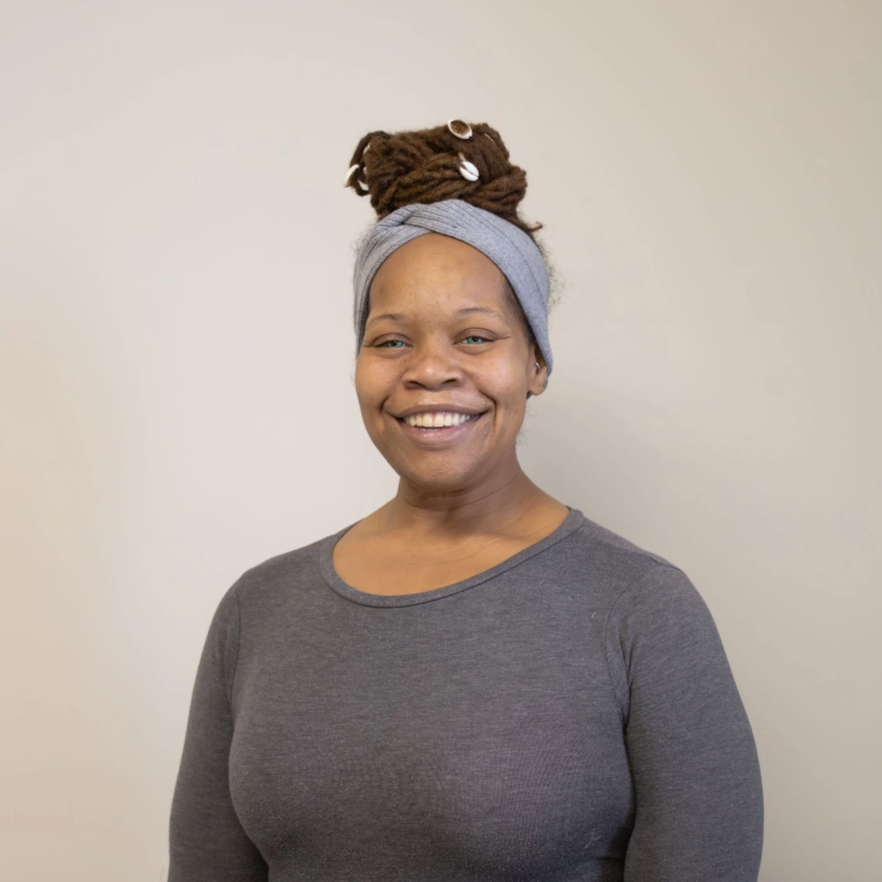
Kendra of StardustBodywork focuses on the mind-body connection, and helps her clients achieve balance and harmony through the healing power of touch.
Communication continues during the massage, too. If something feels uncomfortable, if the pressure needs to change, or if your body responds differently than expected, the session can be adjusted.
Customized massage is a partnership. The client should always have a voice in what their care looks and feels like.
Massage Can Offer More Than Relaxation
Relaxation is valuable—and sometimes it is exactly what someone needs. But massage and bodywork can have other goals as well.
Depending on the individual, therapeutic massage may help address muscular tension, support comfortable movement and flexibility, and complement recovery or wellness routines.

Manual Lymphatic Drainage and other specialized techniques may also be used for appropriate clients when swelling or lymphatic movement is a concern.
Bodywork can also help people become more aware of the ways stress, posture, injuries, repetitive activities, and daily habits influence how their bodies feel.
Massage is not a replacement for appropriate medical care, physical therapy, chiropractic care, or other necessary treatment. Instead, it can be one component of a broader wellness or recovery plan.
Or, as our massage therapist, Kendra, puts it:
“Sometimes relaxation is the doorway—but it certainly isn’t the whole house.”
Not Sure What Kind of Massage You Need?
If you have never had a massage before, you may feel like you’re supposed to know what to request. Deep tissue? Therapeutic? Lymphatic? Light pressure? Stretching?
You don’t have to figure that out by yourself. Part of the process is talking through what you are experiencing and what you hope to get out of the session. You are also encouraged to speak up throughout your appointment.
Pressure, positioning, temperature, draping, comfort, and other aspects of the session can all be adjusted. Most importantly, massage shouldn’t feel like something being done to you. It should feel like a safe, respectful partnership in which you understand what is happening and feel comfortable communicating what you need.
Massage That Starts With You
Whether you’re managing muscle tension, working on mobility, navigating physical changes or recovery, or simply looking to slow down and reconnect with your body, your massage should reflect what you need.
Interested in adding bodywork to your wellness routine?
Get in touch with Kendra today to start a conversation about your individual goals.
